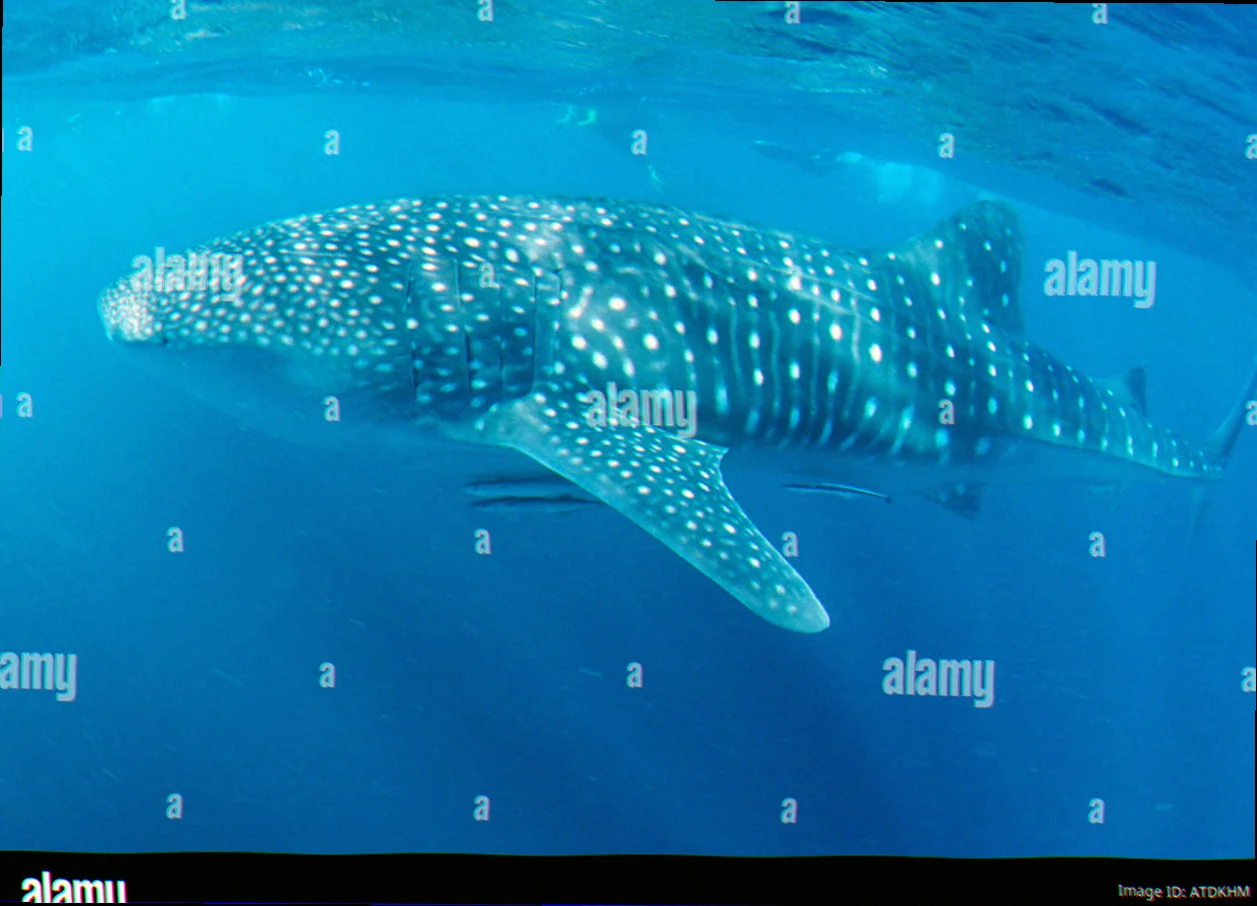
What is Ningaloo reef whale shark photo identification?
Ningaloo reef whale shark photo identification is a scientific technique that utilizes the distinct and unchanging pattern of white spots and stripes on the skin of individual whale sharks (Rhincodon typus) to distinguish them from one another. Each whale shark possesses a unique constellation of these markings, acting as a natural barcode. By taking high-resolution photographs of the sharks' left flanks, researchers can upload these images into specialized software that compares the spot patterns against a database. This process allows for the identification of individual sharks, enabling the creation of population censuses, the tracking of migratory routes, and the monitoring of individual shark health and behavior over time.
Key Characteristics Overview
| Characteristic | Details |
|---|---|
| Size | Adult whale sharks typically range from 5.5 to 10 meters (18 to 33 feet) in length, with some individuals reported to exceed 12 meters (40 feet). They can weigh over 20 tonnes (44,000 lbs). |
| Habitat Depth | While primarily found in warm, tropical and temperate waters, whale sharks can dive to depths of up to 1,900 meters (6,230 feet), though they are most commonly observed in the upper layers of the ocean, typically between 0 and 30 meters (0 to 98 feet). |
| Location | Whale sharks are cosmopolitan, inhabiting all tropical and warm-temperate seas. Famous aggregation sites include Ningaloo Reef in Western Australia, the Yucatan Peninsula in Mexico, the Philippines, and the Seychelles. |
| Diet | They are filter feeders, primarily consuming plankton, small fish, krill, and fish eggs. They use their enormous mouths to gulp large volumes of water, filtering out their food. |
Behavior and Adaptations
- Survival mechanisms: Whale sharks possess thick, leathery skin that provides protection against predators. Their sheer size is also a significant deterrent. They have specialized gill rakers that are highly efficient at filtering small prey from vast quantities of water.
- Feeding behavior: They exhibit ram feeding, swimming with their mouths open to create a current that draws in water and food, or suction feeding, where they actively suck in water. This process is continuous as they swim.
- Reproduction: Reproduction in whale sharks is poorly understood, but they are ovoviviparous, meaning they give birth to live young after eggs hatch internally. Litter sizes are believed to be very large, potentially in the hundreds.
- Movement: Whale sharks are highly migratory, undertaking long journeys between feeding grounds and breeding areas. They are capable swimmers, using their powerful caudal fin for propulsion, and can maintain moderate speeds for extended periods.
- Communication: There is no evidence to suggest whale sharks communicate through bioluminescence or vocalizations. Their interactions are likely limited to social cues related to feeding and mating.
- Predators and defense: Adult whale sharks have few natural predators due to their size, with the occasional threat from large sharks or pods of killer whales. Juveniles are more vulnerable. Their primary defense is their size and ability to swim away from danger.
Common Misconceptions and Facts
Myth 1: Whale sharks are dangerous to humans. Fact: Whale sharks are gentle giants and pose no threat to swimmers or divers. They are passive filter feeders and are not aggressive.
Myth 2: All whale sharks are enormous. Fact: While many are large, juveniles are significantly smaller, and even adults can vary considerably in size. The term "giant" is relative to other shark species.
Myth 3: Whale sharks are exclusively found in shallow tropical waters. Fact: While they aggregate in shallow coastal areas for feeding and are often seen by tourists, they are also deep-sea dwellers and undertake extensive migrations across vast oceanic expanses, including deep dives.
Frequently Asked Questions (FAQ)
Can Ningaloo reef whale shark photo identification survive in shallow water?
The concept of "Ningaloo reef whale shark photo identification" refers to the method of identification, not the animal's ability to survive. Whale sharks, however, are well-adapted to both shallow and deep-water environments. They are frequently observed in shallow coastal waters, particularly around Ningaloo Reef, where they feed on plankton blooms. Their physiology allows them to tolerate the varying salinity and temperature of these areas. However, they are also capable of diving to considerable depths, indicating a broad tolerance for pressure and temperature changes, though prolonged exposure to drastically different conditions can be stressful.
How does Ningaloo reef whale shark photo identification find food in the deep ocean?
Again, "Ningaloo reef whale shark photo identification" is an identification method. Whale sharks find food in the deep ocean using their highly developed senses and their filter-feeding mechanism. While their eyesight is not their primary sense for hunting, they can detect prey. They rely heavily on their ability to detect changes in water pressure and currents, which can indicate the presence of food aggregations. Once a food source, such as plankton or small schooling fish, is located, they utilize either ram feeding or suction feeding. They swim with their massive mouths open, creating a powerful current that draws in large volumes of water, from which their specialized gill rakers filter out the nutritious contents.
Is Ningaloo reef whale shark photo identification dangerous to humans?
The process of "Ningaloo reef whale shark photo identification" itself is not dangerous; it's a passive observation technique. Regarding the whale sharks, they are unequivocally not dangerous to humans. They are placid filter feeders and have never been recorded to harm or intentionally attack a person. Their diet consists of tiny organisms, and their behavior around humans is generally curious or indifferent. Encounters with whale sharks are considered safe and are a major draw for eco-tourism in areas like Ningaloo Reef.