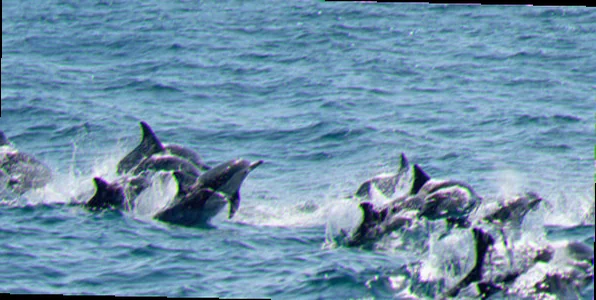
Cape Byron Marine Park is a haven for a diverse range of dolphins, primarily bottlenose and common dolphins, offering opportunities for responsible whale and dolphin watching. These intelligent creatures thrive in the park's protected waters due to abundant food sources and relatively low levels of disturbance. Visitors can often spot them during boat tours, showcasing the park's success in marine conservation. Understanding their behavior and the park's role in their protection is crucial for continued coexistence.
What is Cape Byron Marine Park dolphins?
Cape Byron Marine Park dolphins refer to the various dolphin species inhabiting and utilizing the waters within the Cape Byron Marine Park, located off the coast of New South Wales, Australia. The most frequently observed species are the common dolphin (Delphinus delphis) and the bottlenose dolphin (Tursiops truncatus). These marine mammals are protected within the park, which aims to conserve biodiversity and provide sustainable recreational opportunities. The park's diverse ecosystem supports a healthy dolphin population, making it a significant area for dolphin research and ecotourism.
Key Characteristics Overview
| Characteristic | Details |
|---|---|
| Size | Bottlenose dolphins typically range from 2 to 4 meters (6.6 to 13 feet) in length and weigh between 150 to 650 kilograms (330 to 1430 pounds). Common dolphins are smaller, averaging 1.9 to 2.4 meters (6.2 to 7.9 feet) and weighing 80 to 200 kilograms (176 to 440 pounds). |
| Habitat Depth | Dolphins within the park utilize a range of depths, from nearshore areas less than 20 meters (66 feet) to offshore waters exceeding 200 meters (656 feet), depending on foraging and social behavior. |
| Location | The Cape Byron Marine Park encompasses approximately 22,000 hectares (54,000 acres) of ocean, extending from Brunswick Heads in the north to Lennox Head in the south. Dolphins are found throughout the park, with higher concentrations often observed around headlands and canyons. |
| Diet | Bottlenose dolphins have a varied diet including fish (such as snapper, whiting, and tailor), squid, and crustaceans. Common dolphins primarily feed on small schooling fish and squid, often foraging in large groups. |
Behavior and Adaptations
- Survival mechanisms: Dolphins possess a thick layer of blubber for insulation and energy storage. They also exhibit echolocation, using sound waves to navigate and locate prey in low visibility conditions. Their streamlined body shape reduces drag, enabling efficient swimming.
- Feeding behavior: Bottlenose dolphins employ cooperative hunting strategies, sometimes working together to herd fish into bait balls. Common dolphins often feed in large pods, coordinating their movements to encircle and capture prey. Both species utilize bubble nets and other techniques to concentrate fish.
- Reproduction: Bottlenose dolphins typically reach sexual maturity between 5 and 12 years of age. Gestation lasts approximately 12 months, with calves remaining dependent on their mothers for several years. Common dolphins have a similar reproductive cycle, with calving occurring year-round.
- Movement: Dolphins are highly mobile and capable of swimming at speeds up to 30 kilometers per hour (19 mph). They utilize their powerful tail flukes for propulsion and their pectoral fins for steering and maneuvering. They exhibit both long-distance migrations and localized movements within the park.
- Communication: Dolphins communicate through a complex system of whistles, clicks, and body language. Each dolphin possesses a unique 'signature whistle' used for individual identification. They also use tactile communication, such as rubbing and petting, to reinforce social bonds.
- Predators and defense: While dolphins have few natural predators, sharks (particularly tiger sharks and bull sharks) pose a potential threat, especially to young or sick individuals. Dolphins defend themselves by mobbing sharks, ramming them with their rostrum, and utilizing cooperative strategies.
Common Misconceptions and Facts
Myth 1: Cape Byron Marine Park dolphins are dangerous to humans. Fact: Dolphins are highly intelligent and generally avoid contact with humans. Attacks are extremely rare and typically occur only when dolphins feel threatened or are provoked.
Myth 2: All dolphins in the park are the same species. Fact: While bottlenose and common dolphins are the most frequently observed, other species, such as spinner dolphins and occasionally humpback dolphins, may also visit the park.
Myth 3: Dolphins are solitary creatures. Fact: Dolphins are highly social animals and live in complex social groups called pods. These pods can range in size from a few individuals to hundreds, depending on the species and environmental conditions.
Myth 4: Dolphins are immune to human impact. Fact: Dolphins are vulnerable to threats such as pollution, entanglement in fishing gear, boat strikes, and noise pollution. The Cape Byron Marine Park aims to mitigate these threats through conservation efforts.
Frequently Asked Questions (FAQ)
Can Cape Byron Marine Park dolphins survive in shallow water?
While dolphins can venture into shallow waters, their physiological adaptations are primarily suited for deeper ocean environments. Prolonged exposure to very shallow water can cause stress due to temperature fluctuations and increased risk of stranding. They are air-breathing mammals and need access to the surface, which can be more challenging in confined shallow areas. However, they frequently utilize inshore areas for foraging and social interaction, demonstrating a degree of adaptability.
How does Cape Byron Marine Park dolphins find food in the deep ocean?
Dolphins rely heavily on echolocation to locate prey in the deep ocean, where visibility is limited. They emit high-frequency clicks and interpret the returning echoes to create a 'sound picture' of their surroundings. This allows them to detect the size, shape, and location of fish and squid. They also utilize their keen sense of hearing and their ability to detect subtle changes in water pressure to identify potential food sources. Cooperative hunting strategies further enhance their foraging success.
Is Cape Byron Marine Park dolphins dangerous to humans?
Cape Byron Marine Park dolphins are not inherently dangerous to humans. They are intelligent and curious animals, but they generally avoid direct interaction unless initiated by humans. It's crucial to maintain a respectful distance and avoid attempting to touch or feed them. While attacks are extremely rare, it's important to be aware of their size and power and to exercise caution when swimming or boating in areas where dolphins are present. Following responsible whale and dolphin watching guidelines is essential for ensuring both human and dolphin safety.
What is the Cape Byron Marine Park doing to protect the dolphins?
The Cape Byron Marine Park implements several strategies to protect dolphins, including zoning regulations to minimize disturbance in critical habitats, speed limits for vessels to reduce the risk of boat strikes, and educational programs to promote responsible tourism. Monitoring programs track dolphin populations and behavior, providing valuable data for conservation management. The park also collaborates with researchers and local communities to address threats such as pollution and entanglement in fishing gear. Strict regulations regarding waste disposal and fishing practices are also enforced.