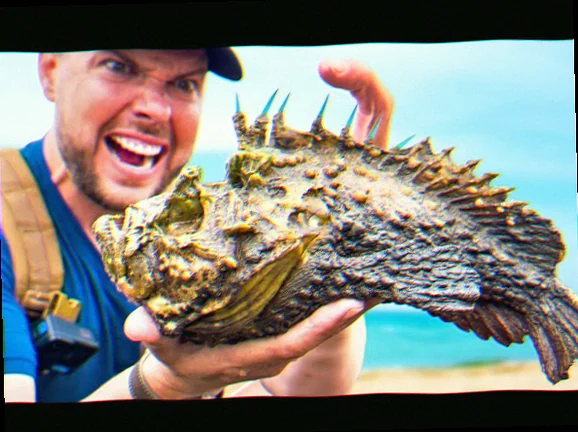
If you are stung by a stonefish in Australia, immediate first aid is crucial. The primary treatment involves immersing the affected limb in hot water (as hot as can be tolerated without causing burns, around 45°C or 113°F) for at least 30 minutes to denature the venom. Seek urgent medical attention, as severe stings require professional care, including pain management and potential antivenom administration.
What is Stonefish Sting Treatment Australia?
Stonefish sting treatment in Australia refers to the emergency medical protocols and first aid measures employed when an individual is envenomated by a stonefish, a highly venomous marine species found in Australian waters. These treatments are designed to neutralize the potent neurotoxic and cardiotoxic venom injected through the dorsal fin spines of the fish. Prompt and appropriate action is vital to mitigate severe pain, tissue damage, and potentially life-threatening systemic effects.
Key Characteristics Overview
| Characteristic | Details |
|---|---|
| Size | Typically range from 30 to 50 cm (12 to 20 inches) in length, with some individuals reaching up to 1 meter (3.3 feet). |
| Habitat Depth | Found from intertidal zones to depths of around 50 meters (164 feet). |
| Location | Widely distributed throughout the Indo-Pacific region, including the coastal waters of Australia, particularly in tropical and subtropical areas. |
| Diet | Carnivorous, feeding primarily on small fish and crustaceans, which they ambush from their camouflaged resting positions. |
Behavior and Adaptations
- Survival mechanisms: Stonefish are masters of camouflage, possessing mottled, algae-covered skin that allows them to blend seamlessly with rocky or coral substrates. This provides excellent protection from predators and aids in their ambush hunting strategy. Their spines, which deliver venom, are a formidable defense mechanism.
- Feeding behavior: They are sedentary predators, often remaining motionless for extended periods, waiting for unsuspecting prey to swim within striking distance. Their large mouths allow them to engulf prey rapidly.
- Reproduction: Stonefish are oviparous, meaning they lay eggs. Spawning typically occurs during warmer months, with external fertilization taking place. The number of eggs laid can be significant.
- Movement: While primarily sedentary, stonefish can move using their pectoral fins, allowing for slow locomotion across the seabed. They are not strong swimmers and rely on their camouflage for survival.
- Communication: Stonefish do not possess known bioluminescent capabilities or complex communication methods. Their interactions are largely driven by survival instincts, predation, and reproduction.
- Predators and defense: Despite their venomous spines, stonefish can be preyed upon by larger predatory fish, sharks, and some marine reptiles. Their primary defense against these threats, and incidentally against humans, is their potent venom and exceptional camouflage.
Common Misconceptions and Facts
Myth 1: Stonefish are inherently aggressive and actively seek to sting humans. Fact: Stonefish are not aggressive and will only sting if they are stepped on or otherwise threatened. Their camouflage makes them difficult to see, increasing the risk of accidental encounters.
Myth 2: All stonefish stings are fatal. Fact: While stonefish venom is extremely potent and can cause severe pain and tissue damage, fatalities are rare, especially with prompt and appropriate medical treatment. However, untreated stings can lead to serious complications.
Myth 3: Only deep-sea stonefish are dangerous. Fact: The most dangerous stonefish species, such as the reef stonefish, inhabit shallow coastal waters and coral reefs, areas frequented by swimmers, divers, and fishermen.
Frequently Asked Questions (FAQ)
Can stonefish survive in shallow water?
Yes, stonefish are commonly found in shallow coastal waters, including intertidal zones and coral reefs. They are well-adapted to these environments, often burying themselves in sand or hiding amongst rocks and coral. Their ability to blend in with their surroundings makes them particularly well-suited to these areas. While they can tolerate some variation in water conditions, extreme and rapid changes in pressure or salinity, such as those experienced when brought out of their natural habitat, can be detrimental to their survival.
How does stonefish find food in the deep ocean?
The stonefish species most dangerous to humans (e.g., the reef stonefish) are not typically found in the deep ocean. They are primarily shallow-water inhabitants. However, if considering other, less venomous species that might venture into deeper waters, they would rely on their excellent camouflage and patience. Their eyesight is adequate for detecting movement in their vicinity, and they possess a lateral line system that can sense vibrations in the water, alerting them to the presence of potential prey. They then employ an ambush strategy, lying in wait until prey is close enough to be rapidly engulfed.
Is stonefish dangerous to humans?
Yes, stonefish are considered highly dangerous to humans. Their venomous dorsal fin spines can inflict excruciating pain and cause significant tissue damage. If stepped on, the spines can penetrate footwear. The venom contains neurotoxins and cardiotoxins that can lead to symptoms such as severe pain, swelling, blistering, numbness, muscle weakness, nausea, vomiting, and in severe cases, paralysis, respiratory distress, cardiac arrest, and even death. Prompt and correct first aid and medical attention are essential for anyone stung by a stonefish.