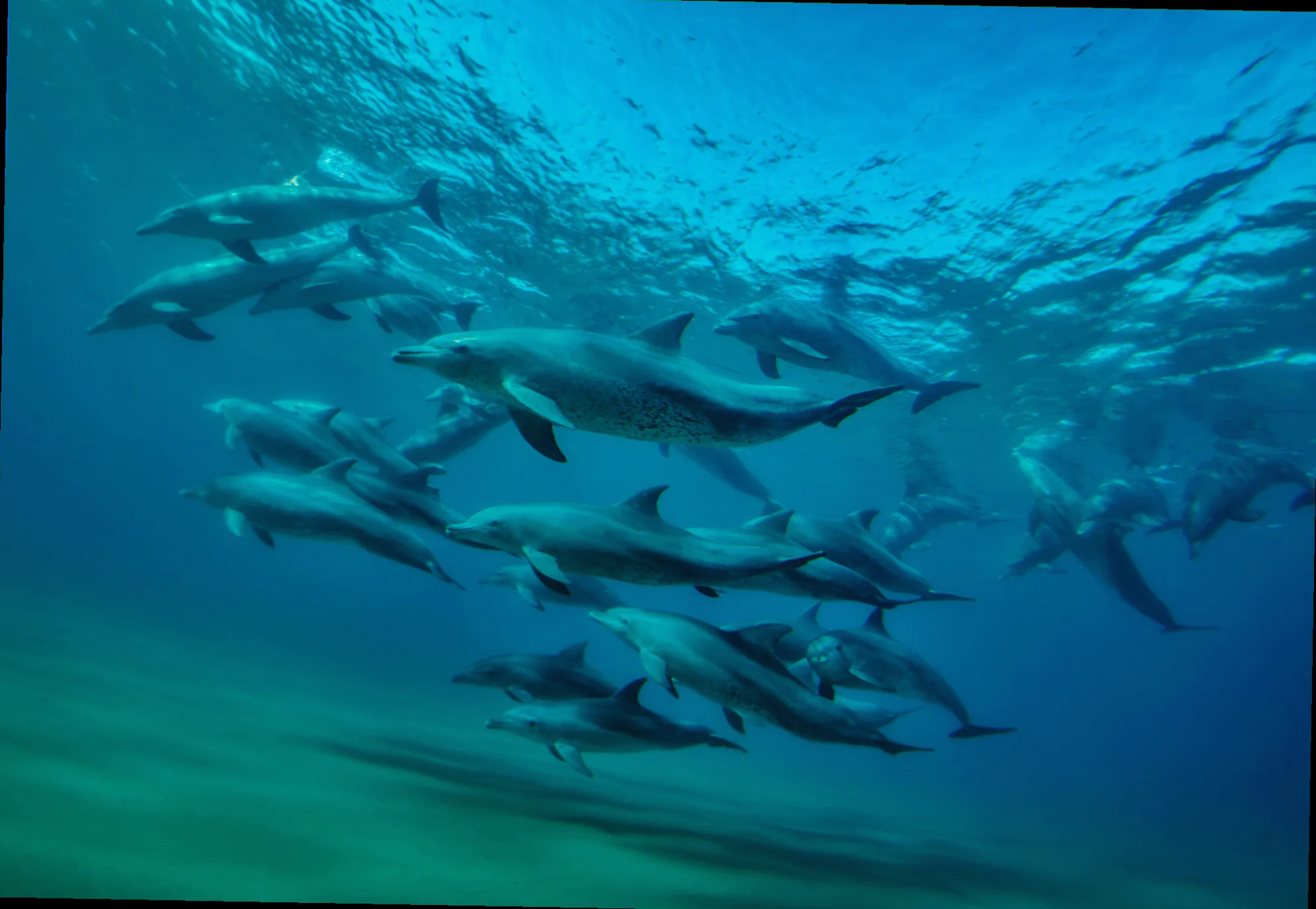
What is Bottlenose dolphin pods Gippsland Lakes?
Bottlenose dolphin pods in the Gippsland Lakes refer to social groups of the Indo-Pacific bottlenose dolphin (*Tursiops aduncus*) that inhabit this extensive estuarine system in Victoria, Australia. Unlike their oceanic cousins, these dolphins are largely resident within the lakes and surrounding coastal waters, demonstrating a remarkable adaptation to brackish and freshwater environments. Their presence is a significant indicator of the health of the Gippsland Lakes ecosystem, and they are a beloved sight for locals and visitors alike.
Key Characteristics Overview
| Characteristic | Details |
|---|---|
| Size | Adults typically range from 2 to 2.7 meters (6.6 to 8.9 feet) in length and can weigh between 150 and 230 kilograms (330 to 510 pounds). |
| Habitat Depth | While capable of diving to significant depths, they are often found in shallower estuarine waters, typically ranging from 1 to 10 meters (3 to 33 feet) in the Gippsland Lakes, though they will venture into deeper coastal areas. |
| Location | Primarily found in the Indo-Pacific region, with specific resident populations in Australian waters, including a well-studied group in the Gippsland Lakes. |
| Diet | Carnivorous, with a varied diet that includes fish, squid, and crustaceans. Their diet in the Gippsland Lakes is influenced by the available prey species within the estuarine environment. |
Behavior and Adaptations
- Survival mechanisms: The Indo-Pacific bottlenose dolphins in the Gippsland Lakes exhibit remarkable adaptability to fluctuating salinity levels and water temperatures characteristic of estuarine environments. Their ability to tolerate and thrive in these conditions is a key survival mechanism, allowing them to exploit a rich food source unavailable to purely marine dolphins. They also utilize the sheltered nature of the lakes for protection from larger oceanic predators.
- Feeding behavior: These dolphins are opportunistic feeders, employing a variety of strategies to catch their prey. In the Gippsland Lakes, this can include cooperative hunting, where individuals work together to herd fish into shallow areas or against shorelines, making them easier to catch. They also use echolocation to locate prey in murky estuarine waters.
- Reproduction: Breeding in bottlenose dolphins is not strictly seasonal, though calving peaks may occur at certain times of the year. Gestation lasts around 10-12 months, and calves are nursed for up to two years. The stable environment of the Gippsland Lakes can provide a relatively safe nursery for young dolphins.
- Movement: Bottlenose dolphins are agile swimmers, capable of reaching speeds of up to 30 km/h (19 mph) in short bursts. In the Gippsland Lakes, their movements are often dictated by the tides, prey availability, and the need to navigate the complex network of channels and inlets. They tend to be more sedentary within their home range compared to oceanic populations.
- Communication: Dolphins communicate through a complex system of clicks and whistles. Clicks are primarily used for echolocation to navigate and find food, while whistles are used for social communication, including individual identification and maintaining pod cohesion.
- Predators and defense: While adult bottlenose dolphins in the Gippsland Lakes have few natural predators due to their size and intelligence, young or injured individuals can be vulnerable to sharks. Their primary defense mechanisms include their speed, agility, echolocation for situational awareness, and strong social bonds within the pod, which can offer collective defense.
Common Misconceptions and Facts
Myth 1: Bottlenose dolphins are inherently dangerous to humans. Fact: While bottlenose dolphins are powerful animals and should always be treated with respect, aggressive encounters with humans are extremely rare. They are generally curious but prefer to maintain distance, and instances of unprovoked attacks are virtually non-existent.
Myth 2: All bottlenose dolphins are the same species and behave identically. Fact: There are different species and populations of bottlenose dolphins with distinct behaviours and adaptations. The Indo-Pacific bottlenose dolphin (*Tursiops aduncus*) found in the Gippsland Lakes has evolved specific traits to thrive in estuarine environments, differing from their purely oceanic relatives.
Myth 3: Bottlenose dolphins can easily adapt to any aquatic environment. Fact: While adaptable, bottlenose dolphins, like other cetaceans, are sensitive to changes in water quality, salinity, and temperature. The Gippsland Lakes provide a unique and relatively stable estuarine environment that these dolphins are specifically adapted to; they would not necessarily thrive in drastically different or polluted aquatic systems.
Frequently Asked Questions (FAQ)
Can Bottlenose dolphin pods Gippsland Lakes survive in shallow water?
Yes, bottlenose dolphins, particularly the Indo-Pacific bottlenose dolphins found in the Gippsland Lakes, are well-adapted to surviving in shallow estuarine waters. Their physiology allows them to manage pressure changes experienced in these environments. The Gippsland Lakes, with its network of shallow channels and deeper areas, provides a suitable habitat. They utilize echolocation extensively to navigate these shallower zones and locate prey, which is often abundant in such areas.
How does Bottlenose dolphin pods Gippsland Lakes find food in the deep ocean?
While the dolphins in the Gippsland Lakes are primarily associated with estuarine and coastal waters, when they do venture into deeper areas, they rely heavily on echolocation. This biological sonar system allows them to emit high-frequency clicks and interpret the returning echoes to create a detailed acoustic image of their surroundings, including the size, shape, distance, and texture of potential prey. They also use their acute hearing and visual senses. In the Gippsland Lakes, their diet often consists of fish species common to estuaries, such as bream and flathead, as well as crustaceans. Their feeding strategies can involve cooperative herding of fish or solitary ambush tactics.
Is Bottlenose dolphin pods Gippsland Lakes dangerous to humans?
Bottlenose dolphins in the Gippsland Lakes are generally not considered dangerous to humans. They are wild animals and should always be observed from a respectful distance. While they are powerful and intelligent creatures, instances of aggression towards humans are extremely rare. Their primary instinct is curiosity, and they tend to avoid direct conflict. It is important to remember that they are wild animals, and touching or feeding them is discouraged as it can disrupt their natural behaviour and pose risks to both the dolphins and the people involved.