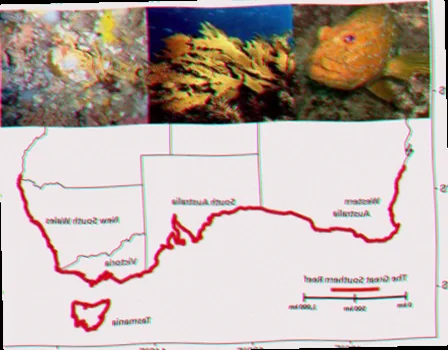
What is Endemism in Australian waters?
Endemism refers to the ecological state of a species being unique to a defined geographic location. In Australian waters, this manifests as an extraordinarily high concentration of endemic marine species, particularly within the deep sea. Approximately 40% of Australia's marine fish species, and a significant percentage of invertebrates, crustaceans, and mollusks, are found exclusively in Australian waters. This is largely due to Australia's geographic isolation, creating distinct evolutionary pathways for marine life over millions of years. The deep sea, in particular, is a major driver of endemism, with unique geological features like seamounts and ridges acting as barriers to gene flow, leading to the development of isolated populations and distinct species. The pressures of deep-sea environments - extreme pressure, perpetual darkness, and limited food - have also fostered specialized adaptations, further contributing to the high rate of endemism.Key Characteristics Overview
| Characteristic | Details |
|---|---|
| Size | Varies dramatically; from microscopic sponges to large, deep-sea sharks exceeding 6 meters. |
| Habitat Depth | Ranges from intertidal zones (0-25 meters) to the abyssal plain (4000+ meters). The majority of endemic species reside in the bathyal and abyssal zones. |
| Location | Primarily found within the Australian Exclusive Economic Zone (EEZ), encompassing the continental shelf, slope, and deep ocean. Significant concentrations exist off Western Australia, Tasmania, and the southern continental shelf. |
| Diet | Diverse, including plankton, crustaceans, fish, and other marine invertebrates. Specialized feeding strategies are common, such as ambush predation and filter feeding. |
Behavior and Adaptations
* Survival Mechanisms: Many deep-sea endemic species have evolved remarkable adaptations to withstand the immense pressure of their environment. These include specialized enzymes that function optimally under high pressure, flexible cell membranes to maintain fluidity, and reduced skeletal density. Some species utilize bioluminescence for camouflage, attracting prey, or communication. * Feeding Behavior: Feeding strategies are highly varied. Ambush predators like the bristlemouth fish lie in wait for passing prey, while others, such as certain deep-sea corals, are sessile filter feeders. Many rely on 'marine snow' - a constant rain of organic detritus - as a primary food source. * Reproduction: Reproductive strategies are often poorly understood due to the difficulty of studying deep-sea organisms. Many species exhibit broadcast spawning, releasing eggs and sperm into the water column, relying on currents to carry them to suitable locations. Others exhibit parental care, guarding their eggs or larvae. * Movement: Locomotion varies greatly. Fast-swimming predators like sharks utilize powerful tail fins, while slower-moving species rely on undulating movements of their bodies. Many invertebrates, such as brittle stars and sea cucumbers, move using tube feet. * Communication: Bioluminescence is a prevalent form of communication in the deep sea, used for attracting mates, deterring predators, and coordinating group behavior. Some species also utilize chemical signals (pheromones). * Predators and Defense: Predators include larger deep-sea fish, sharks, and cephalopods. Defense mechanisms include camouflage, spines, toxins, and bioluminescent lures. Some species also employ a 'thanatosis' defense - feigning death to deter predators.Common Misconceptions and Facts
Myth 1: They are dangerous to humans. Fact: Most deep-sea creatures are not aggressive and pose no threat to humans. Encounters are extremely rare, and any potential risk is minimal.
Myth 2: They are all giant monsters. Fact: The vast majority of endemic deep-sea species are small and delicate, often resembling invertebrates or small fish.
Myth 3: They can survive in shallow water. Fact: The extreme pressure differences between the deep ocean and shallow water are usually fatal to deep-sea endemic species. They are specifically adapted to the high-pressure environment of the deep.
Frequently Asked Questions (FAQ)
Can Endemism in Australian waters survive in shallow water?
While some shallow-water endemic species exist, particularly in Tasmania and along the southern continental shelf, the vast majority of deep-sea endemic species are unable to survive in shallow water. The dramatic reduction in pressure as they ascend poses a significant physiological challenge. Their specialized enzymes and cell structures, adapted to extreme pressure, rapidly denature and fail to function under the lower pressures of shallower depths. Furthermore, the increased light penetration and different temperature regimes of shallow waters are often incompatible with their deep-sea adaptations, leading to rapid decline and mortality.
How does Endemism in Australian waters find food in the deep ocean?
Deep-sea endemic species rely on a variety of strategies to obtain food in the nutrient-poor environment of the deep ocean. A primary source is 'marine snow,' the organic detritus that sinks from the surface waters. Many species, such as amphipods and holothurians (sea cucumbers), are specialized scavengers, feeding on this falling material. Others are ambush predators, lying in wait for small fish or crustaceans. Filter feeders, like certain sponges and corals, capture plankton and other microscopic organisms. Some species have evolved bioluminescent lures to attract unsuspecting prey, while others utilize specialized mouthparts for capturing small invertebrates.
Is Endemism in Australian waters dangerous to humans?
No, endemism in Australian waters, specifically the deep-sea species, is not dangerous to humans. Deep-sea creatures are generally not aggressive and rarely encounter humans. The extreme depths at which most endemic species reside make accidental encounters virtually impossible. While some deep-sea invertebrates may possess defensive mechanisms like spines or toxins, these are typically ineffective against human skin. The primary concern for these species is habitat destruction and climate change, not direct human danger.