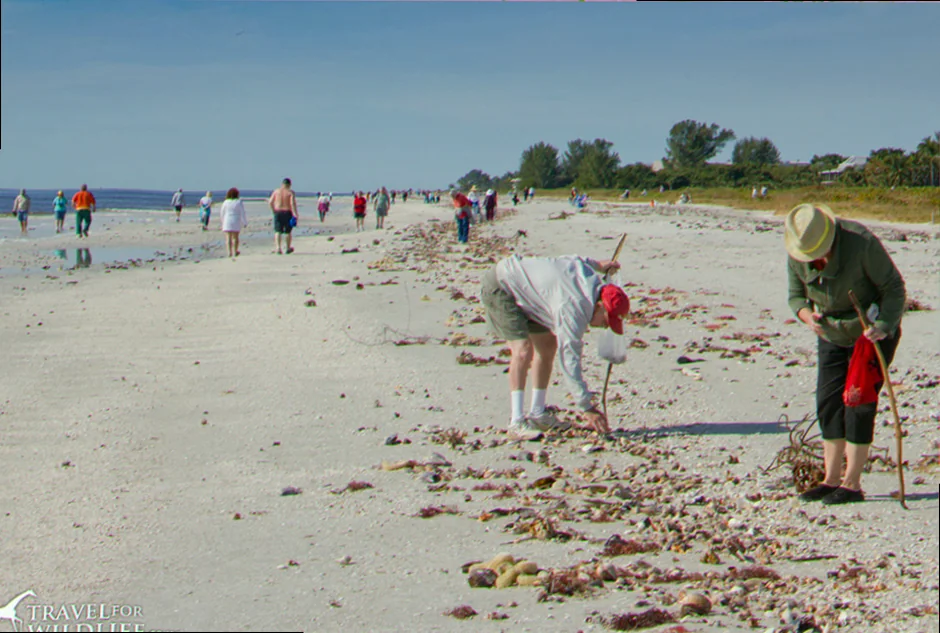
Shell collecting in Australia is a popular pastime, but it's crucial to do it responsibly and legally. Many shells are protected, and removing them can harm the marine ecosystem. Understanding local regulations, identifying species, and practicing sustainable collecting are key to enjoying this hobby without negatively impacting Australia's diverse marine life.
What is Shell collecting in Australia?
Shell collecting in Australia, also known as conchology, is the hobby of searching for, identifying, and preserving seashells. These shells are the exoskeletons of marine molluscs - a diverse group including snails, clams, and cephalopods - that once housed living creatures. The practice ranges from casual beachcombing after storms to dedicated searching in intertidal zones and, less commonly and with permits, subtidal areas. Australian waters boast an incredibly rich diversity of molluscs, resulting in a stunning array of shell types, colours, and patterns, making it a particularly rewarding location for shell enthusiasts.
Key Characteristics Overview
| Characteristic | Details |
|---|---|
| Size | Varies dramatically, from tiny Neritina species (under 1cm) to the giant clam, Tridacna gigas (over 1.2m). Most commonly collected shells range from 2cm to 20cm. |
| Habitat Depth | 0 - 200+ meters. Intertidal species are found between high and low tide marks. Deeper water species require diving or dredging (often restricted). |
| Location | All Australian coastlines - Indian Ocean, Pacific Ocean, and Southern Ocean - and surrounding islands. Specific species distributions vary greatly by region. |
| Diet | Highly variable depending on the species. Includes algae, detritus, small invertebrates, plankton, and even other molluscs. Predatory shells often have specialized radula (a tongue-like structure) for scraping or drilling. |
Behavior and Adaptations
- Survival mechanisms: Shells provide physical protection from predators and environmental stressors like wave action and desiccation. Some species have thick, heavy shells, while others rely on camouflage or spines for defense. Operculum (a ‘door' that closes the shell opening) is common in snails.
- Feeding behavior: Feeding strategies are diverse. Grazers like limpets scrape algae from rocks. Filter feeders like clams extract nutrients from the water column. Predators like cone snails use a venomous harpoon to immobilize prey.
- Reproduction: Most molluscs reproduce sexually, releasing eggs and sperm into the water for external fertilization. Some are hermaphroditic, possessing both male and female reproductive organs. Larval stages are often planktonic, drifting with ocean currents.
- Movement: Snails typically move using a muscular foot, gliding along surfaces. Bivalves (clams, oysters) are generally less mobile, burrowing into sediment or attaching to substrates. Cephalopods (squid, octopus) use jet propulsion.
- Communication: While complex communication isn't well-documented in most shelled molluscs, some species may use chemical signals (pheromones) for mating or aggregation. Bioluminescence is rare in shelled species but present in some nudibranchs (sea slugs).
- Predators and defense: Predators include seabirds, fish, crabs, sea stars, and other molluscs. Defense mechanisms include thick shells, camouflage, spines, operculum, and the ability to quickly close the shell. Some species also employ chemical defenses.
Common Misconceptions and Facts
Myth 1: Shell collecting has no impact on the environment. Fact: Removing shells disrupts the ecosystem, depriving hermit crabs of homes and reducing the calcium carbonate available for reef building. It can also impact the decomposition cycle.
Myth 2: All shells found on the beach are ‘empty' and safe to take. Fact: Many shells still contain the remains of the animal, and some may be inhabited by hermit crabs or other organisms. Live molluscs should always be left undisturbed.
Myth 3: You can freely collect any shell you find in Australia. Fact: Many shells are protected by state and federal laws. Collecting is often restricted in marine parks and reserves, and permits may be required for certain species or locations.
Myth 4: Shells are just pretty decorations. Fact: Shells are vital components of marine ecosystems, providing habitat, food, and shelter for numerous organisms. They also offer valuable insights into marine biodiversity and environmental health.
Frequently Asked Questions (FAQ)
Can Shell collecting in Australia survive in shallow water?
Generally, no. Most species associated with impressive shells are adapted to the high pressure and stable temperatures of deeper waters. Bringing them to the surface causes decompression sickness (similar to ‘the bends' in divers) and can be fatal. The rapid change in pressure disrupts their physiological processes. While some intertidal species *can* tolerate exposure to air during low tide, they are specifically adapted to these fluctuating conditions and are different species than those found in deeper habitats. The shells themselves can survive, but the animal within will not.
How does Shell collecting in Australia find food in the deep ocean?
Deep-sea molluscs employ a variety of feeding strategies. Many are detritivores, feeding on ‘marine snow' - organic matter that drifts down from the surface. Others are predators, using specialized radula or venom to capture prey. Some are filter feeders, extracting nutrients from the water. Bioluminescence can play a role in attracting prey or locating food sources in the dark depths. Chemosynthesis, utilizing chemicals released from hydrothermal vents, is also a food source for molluscs in those unique environments.
Is Shell collecting in Australia dangerous to humans?
Directly, most shell collecting is not dangerous. However, caution is advised. Some shells, like cone snails, possess a potent venom that can be harmful or even fatal if handled improperly. Sharp edges on broken shells can cause cuts. When collecting in intertidal zones, be aware of slippery rocks, strong currents, and potential hazards like jellyfish or stonefish. Always check local tide charts and weather conditions before venturing out. Respect marine life and avoid disturbing sensitive habitats.
What are the legal regulations surrounding shell collecting in Australia?
Regulations vary significantly by state and territory. Generally, collecting live shells is prohibited. Many shells are protected under fisheries legislation, and permits are required for collecting even empty shells in certain areas, such as marine parks and reserves. Penalties for illegal collecting can be substantial. It's crucial to check the specific regulations for the region you are collecting in before starting. Resources include state fisheries departments and national park websites. Responsible shell collecting involves knowing and adhering to these laws.